Fastest EUC in 2026
Quick Answer
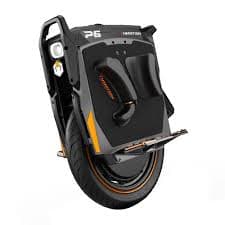
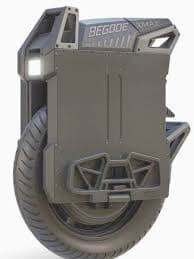
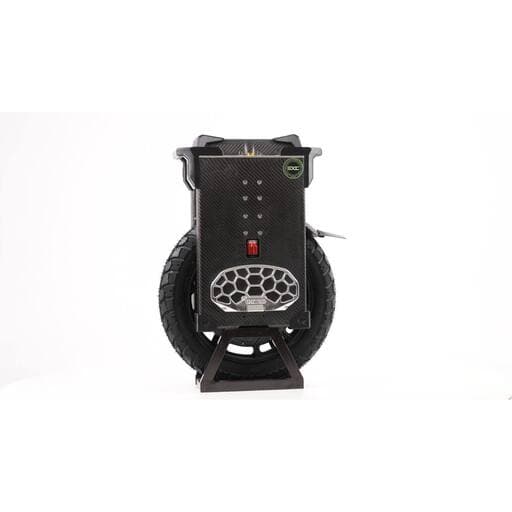
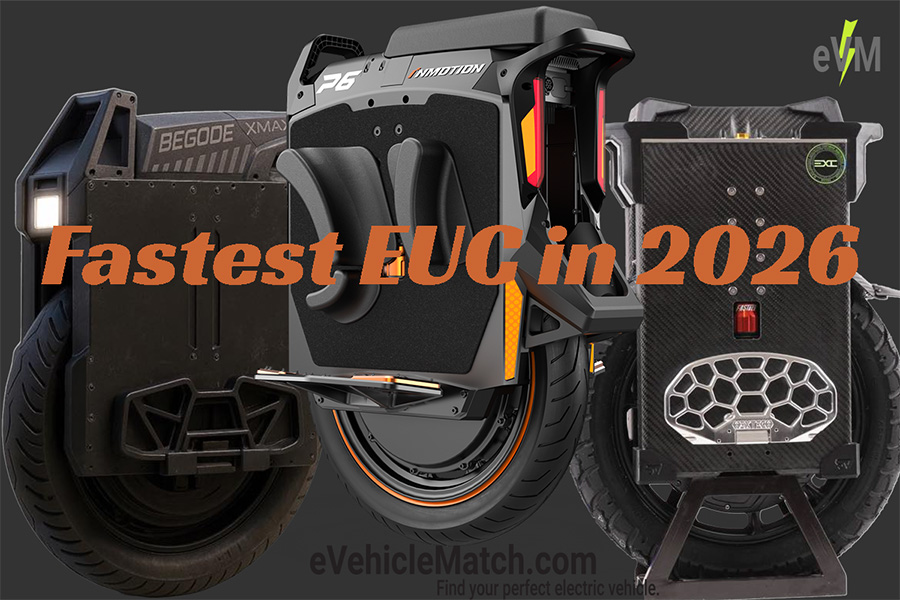
The fastest asphalt EUC lineup kicking off 2026 is led by the InMotion P6, Begode XMax (252V prototype), and the SV168 high-performance race wheel. The InMotion P6 is the most complete speed platform with a 235V system, 6 kW motor, and 4,200 Wh Samsung 50S battery rated for ~93 mph and ~93 miles of range. The Begode XMax pushes experimental 252V territory with early riders targeting 75+ mph capability, while the SV168 is a 168V, 3,300 Wh, carbon-fiber race EUC from Russia designed purely for speed and stability, listing around 80 mph with ~40 miles of hard riding range at a claimed 79 lb weight. Raw speed, however, is only half the story — safety margins, rider skill, and real-world riding conditions should dictate how fast you actually go.
Table of Contents
Why 2026 EUC Speed Is Wild
Just a few years ago, a 50 mph electric unicycle was considered insane; in 2026, we are looking at production and pre-production wheels claiming 80–90+ mph capability and 235V+ architectures.
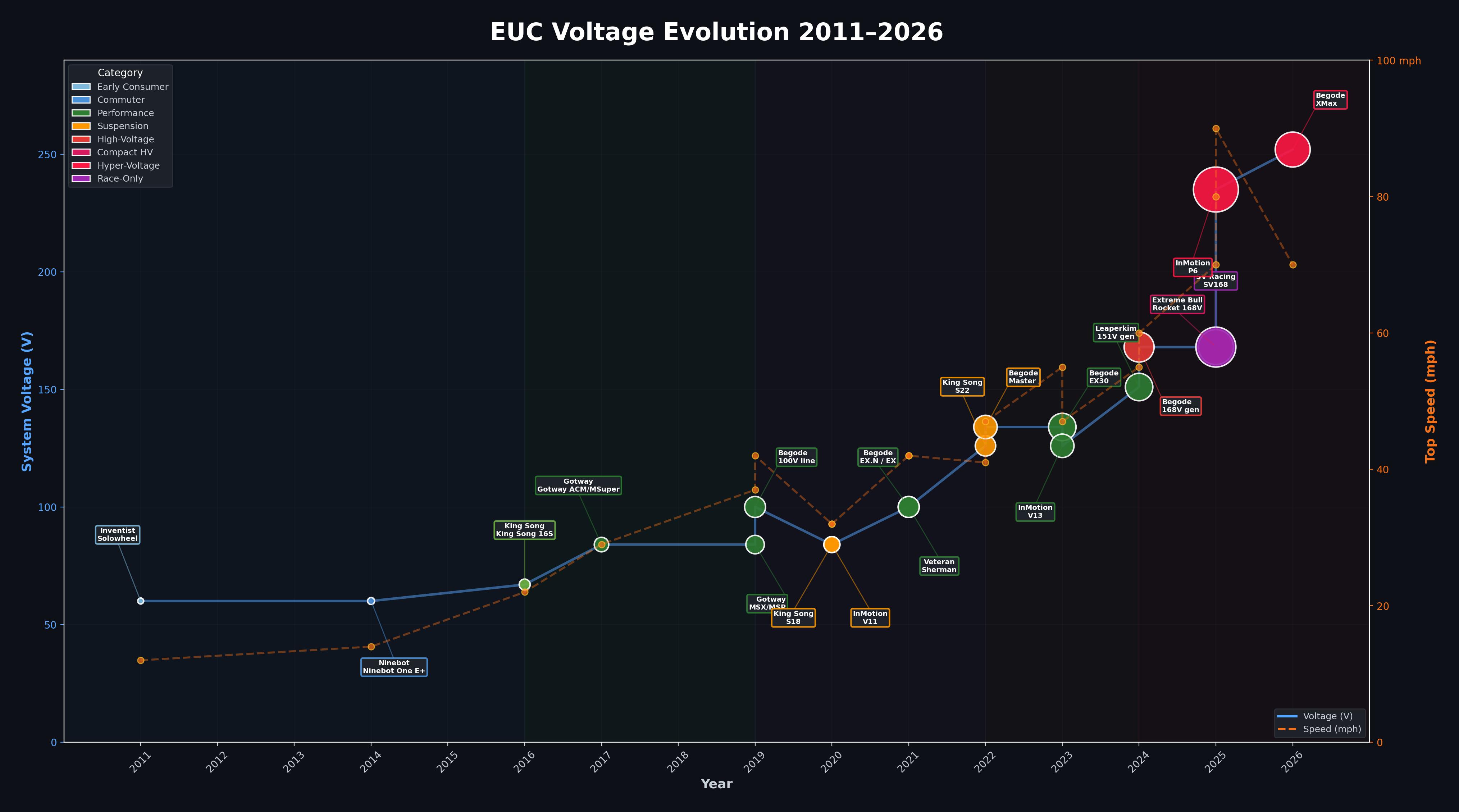 The InMotion P6, Begode XMax, and SV168 sit at the bleeding edge of that curve, trading voltage, battery density, and controller sophistication for never-before-seen asphalt speed potential.
These wheels are no longer just commuter toys; they are high-energy, motorcycle-adjacent machines that demand full moto gear, serious experience, and respect for physics. If you are coming from 84V or 100V platforms, the jump to 168V, 235V, or 252V is not just “a bit faster” — it fundamentally changes acceleration, braking envelope, and risk.
InMotion P6 vs Begode XMax vs SV168
Before talking vibes and riding style, it helps to look at what each wheel is actually packing under the shell — voltage, battery, motor, and realistic speed expectations. Numbers below focus on on-paper specs plus early rider reports where available; keep in mind that real-world sustained speeds should be well below free-spin or marketing claims.
| Model | Voltage | Battery | Claimed Top Speed | Weight | What It’s Best At |
|---|---|---|---|---|---|
| InMotion P6 | 235V system | 4,200 Wh Samsung 50S, ~93 mi / 150 km range | Up to ~93 mph / 150 km/h (real-riding claim) | ~112 lb class full-size performance wheel | High-speed asphalt cruising with strong engineering focus |
| Begode XMax | ~252V next-gen platform (pre-production) | ~4,400 Wh class battery, Samsung 50S option mentioned by early testers | Early riders talk about 75+ mph potential under the right conditions | Large, heavy high-voltage chassis | Pushing absolute top-speed records for expert riders |
| SV168 | 168V | 3,300 Wh pack, 20 A max charge, 5 A stock charger | 80 mph listed peak speed | 79 lb (carbon-fiber chassis) | Purpose-built race equipment focused on speed and stability |
On paper, the P6 looks like the most balanced “fast but engineered” option, while the XMax is Begode’s bid for the speed crown and the SV168 is a dedicated race machine that trades versatility and features for a lighter, stiffer, carbon-fiber platform. All three live in a category where the limiter is usually rider judgment and environment, not the spec sheet.
Real-World Speed vs Spec Sheet Flex
Manufacturers now quote free-spin speeds, “race modes,” and best-case top-speed runs that assume a light rider, perfect battery, warm temps, and ideal asphalt. In reality, most riders will see safe cruising speeds 10–30% below headline numbers once you factor in weight, wind, surface quality, and safety margins.
Understanding the Numbers
- InMotion P6: Marketed around the 90+ mph mark on a 235V platform, but realistic expert cruising will be far lower if you want voltage headroom for bumps, wind, and emergency braking.
- Begode XMax: Early testers talk about 70+ mph capability, but firmware is still evolving and nobody should treat that as a “commuter” speed.
- SV168: Listed at 80 mph top speed, but as a pure race wheel with 168V and 3,300 Wh, it makes the most sense for controlled, short, high-intensity runs rather than all-day commuting.
The key concept is safety margin: riding a fast EUC comfortably at, say, 60–70% of its true limit is dramatically safer than sitting at 95–100% where a small bump, dip in voltage, or gust of wind can trigger a cutout.
Which Fast EUC Is Right for You?
“Fastest” is only useful if it matches your weight, terrain, commute, and risk tolerance, so it helps to map each wheel to a rider profile instead of just chasing the biggest number. Below are broad archetypes to help you sanity-check your choice.
Pick the InMotion P6 If…
- You want a flagship high-voltage EUC with a 4,200 Wh Samsung 50S pack, 235V system, and serious engineering emphasis on control and safety envelope.
- You care about range and stability at higher speeds more than squeezing out a few extra mph on a sketchy firmware build.
- You are upgrading from a 151V/168V wheel and want a platform that can cruise very fast while still feeling deliberate rather than chaotic.
Pick the Begode XMax If…
- Your main goal is chasing records and you are comfortable being an early adopter on a ~252V platform with evolving firmware and tuning.
- You already ride high-performance Begode wheels and understand the maintenance, quirks, and tuning culture around tile motors and extreme setups.
- You will ride with full moto gear, open space, and a mindset closer to track testing than daily commuting.
Pick the SV168 If…
- You want a purpose-built race EUC with 168V, 3,300 Wh capacity, and a 4,500 W motor focused on maximum performance over convenience.
- You value carbon-fiber construction, high rigidity, and a perfectly balanced, “hard” chassis that feels locked-in at speed.
- You are okay with a minimalist, single-button interface and treating this as dedicated sport equipment, not your only wheel.
If none of these profiles sound like you, a “slower” 40–55 mph class wheel will almost certainly be more fun, less stressful, and dramatically safer for real-world riding.
Safety, Gear, and Voltage Reality Check
Every wheel in this article lives in a crash energy zone where unprotected impacts can easily be life-changing, which is why full-face motorcycle helmets, armored jackets, knee and elbow protection, wrist guards, and padded shorts should be treated as mandatory, not optional, at these speeds. Raising voltage and peak power makes mistakes less forgiving; your protective gear and skill progression have to scale with the wheel, not lag behind it.
- Stay well below max speed when battery drops under ~40–50%, especially on high-voltage platforms, to preserve a safety buffer for unexpected load spikes.
- Reserve high-speed runs for open, known routes with clean asphalt and minimal traffic, not bike paths, group rides, or mixed pedestrian areas.
- Consider running conservative alarms and tiltback levels while you are still learning the wheel’s behavior at speed.
Fast EUC FAQ 2026
Which EUC is the fastest in 2026?
On paper, the InMotion P6 claims around the 90+ mph mark with a 235V, 4,200 Wh Samsung 50S system, while Begode’s XMax 252V project and the SV168 168V race wheel target similarly extreme territory. In practice, “fastest” should be judged by controlled, real-world runs by experienced riders, not just spec sheets or early hype.
Is it realistic to cruise at 60–70+ mph on these wheels?
Technically, some riders may touch those speeds in carefully controlled scenarios, but routine cruising that high is far outside what most people can safely manage, even in full gear. For long-term riding, aim for comfortable speeds well below the mechanical and electrical limits and prioritize survival over screenshots.
Should beginners buy the fastest EUC available?
No — new riders should prioritize stability, predictable handling, and manageable speed, then graduate into high-voltage monsters after hundreds of hours of experience. High-speed EUCs do not make learning easier; they simply raise the stakes when you inevitably crash.
What matters more than top speed when choosing a fast EUC?
Battery quality, controller design, thermal management, braking performance, shell robustness, parts availability, and brand track record are all more important than squeezing out an extra 5 mph. A wheel that can safely cruise at 45–55 mph with margin is more valuable than one that technically hits 80 mph but lives on the edge of cutouts.
How do I decide between P6, XMax, and SV168?
Think about where you ride, how far, how often, and how tolerant you are of early-firmware quirks versus polished engineering. If in doubt, the safest move is usually the most refined platform, not the most experimental one.
Conclusion
The fastest EUCs in 2026 are no longer just “a bit quicker” toys; they are high-energy machines that blur the line between personal electric vehicle and lightweight electric motorcycle. InMotion’s P6, Begode’s XMax, and the SV168 all demonstrate how far voltage, battery tech, and controllers have come — and how much respect they demand.
If you choose one of these wheels, treat speed as a reserve, not a default; build your skills gradually, invest heavily in protective gear, and keep your ego on a tighter leash than your throttle foot. The real flex in 2026 is not just hitting a crazy top speed — it is doing thousands of miles on a high-performance EUC without ending up in a hospital.
Ready to see how these monsters stack up against the rest of the EUC world? Use our EUC comparison tool to explore all high-performance options, or browse our performance parts and safety gear to upgrade your current ride.